Innovation, Integration, Impact: Driving the Next Era of Indian Mobility
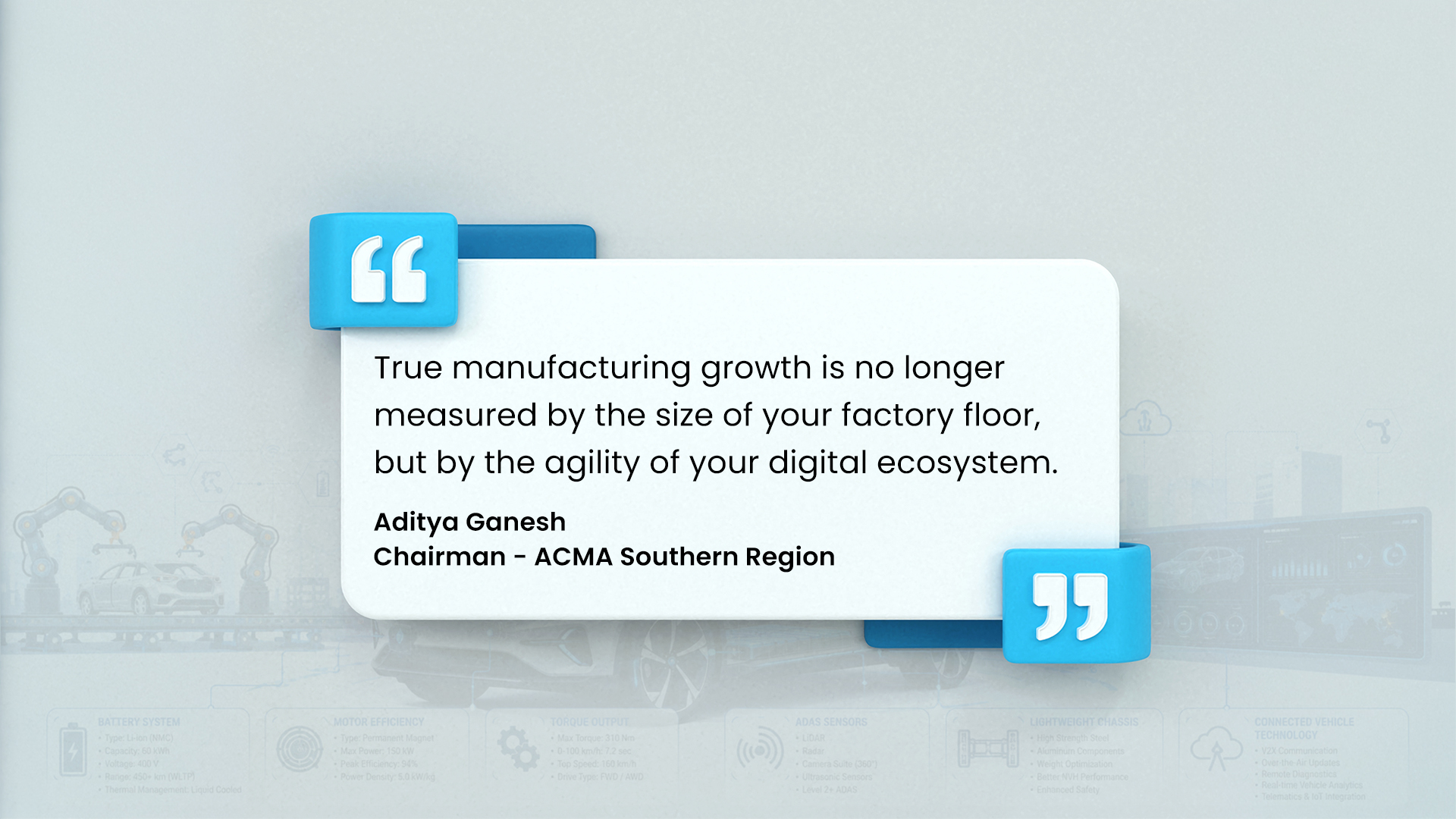
#DigitalTransformation #SmartManufacturing #FutureOfMobility #AutomotiveInnovation #SustainableManufacturing #Industry40 #AutomotiveLeadership #EVIndia #ProMFGMedia #ACMAThinkTurf2026"True growth belongs to those organizations that can holistically keep pace with the customer - not just in scale, but in safety, sustainability, and resilience." - Aditya Ganesh, Chairman, ACMA Southern Region
: As electric drivetrains fast-track their way into mainstream reality and software redefines vehicular architecture, the traditional factory floor is experiencing a massive identity shift.
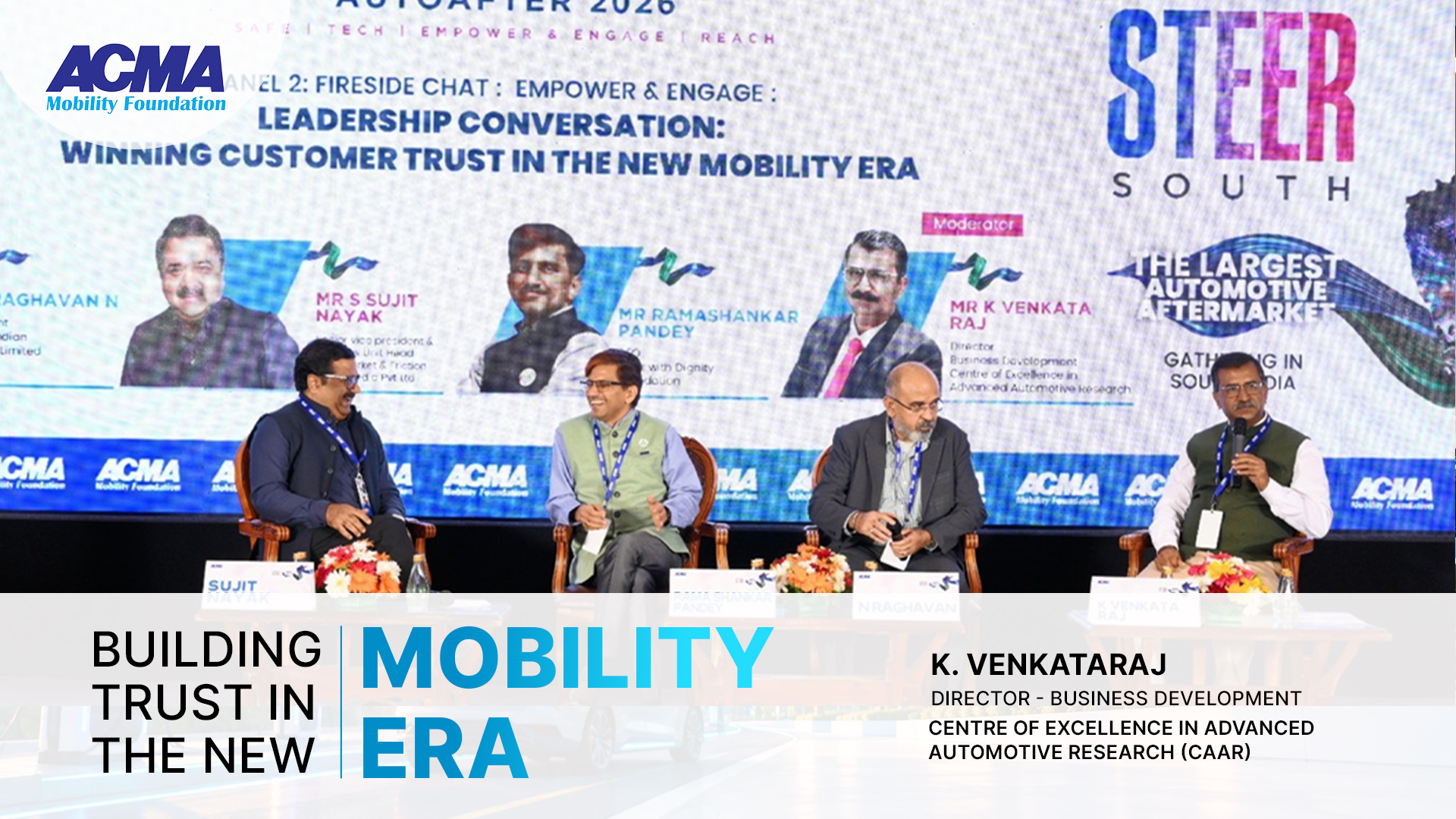
Capturing this electric energy, the 4th Edition of the ACMA Automotive Smart Manufacturing Think Turf 2026, powered by Pro MFG Media, took center stage. Organized around the vital theme, "Transforming Mobility: Innovation, Integration, and Impact," the summit brought together a dynamic ecosystem of auto component veterans, technology pioneers, and forward-thinking strategists. The core message of the event was unmistakable: in a rapidly electrifying, digitizing world, building intelligent manufacturing systems is no longer a futuristic goal on a boardroom slide deck. It is a baseline strategic necessity for survival.
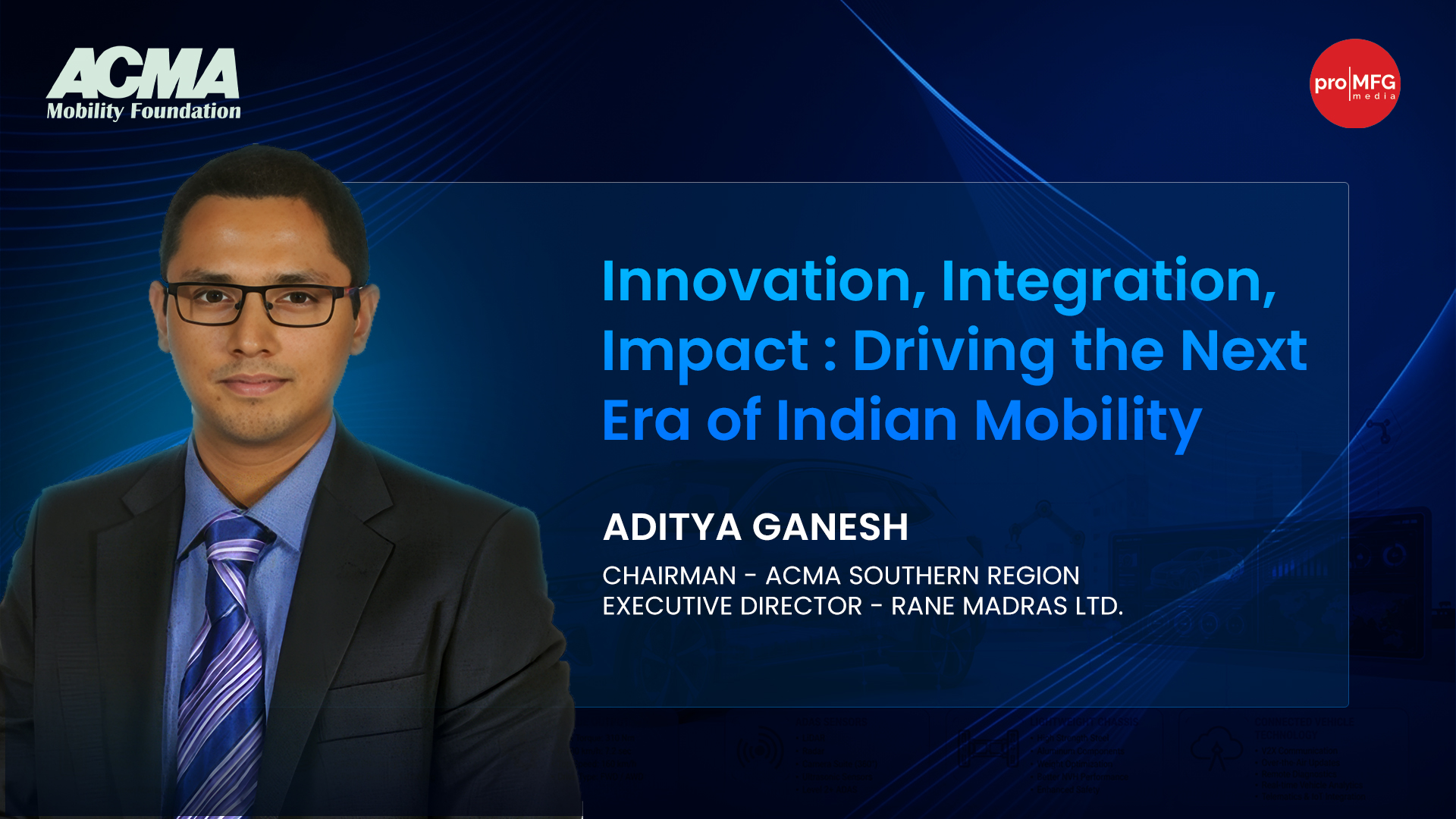
Setting the tone for the event, Mr. Aditya Ganesh, Chairman of the ACMA Southern Region and Executive Director of Rane Madras Ltd., delivered an inaugural address that seamlessly bridged deep strategy with real-world shop floor mechanics. He framed both the urgent pressure and the immense possibilities facing modern suppliers.
Ganesh pointed out that for decades, the standard playbook for manufacturing growth was simple: build more capacity, increase scale, and add more plants. However, those traditional metrics are no longer the primary indicators of success. Today, real growth belongs to companies that can dynamically align themselves with the customer across multiple moving targets. It means maintaining smoothly running operations while simultaneously addressing safety, driving sustainability, and weathering the unexpected supply chain shocks that we all deal with daily.
In this volatile and fast-moving environment, building intelligent manufacturing systems has officially crossed the line from a "desirable" long-term project to a brutal strategic need for survival. "We have an immense amount of technology available today," Aditya Ganesh emphasized. "The goal now is to leverage these tools to stop reacting to disruptions after they happen, and instead get ahead of our problems using data and scientific analysis."
While the focus remains on cutting-edge tools, technology is only one part of the manufacturing equation. True excellence only emerges when there is a genuine synergy between the people on the shop floor and the digital tools at their disposal. It is vital for organizations to actively support and empower their workforces, giving them the skills and, more importantly, the confidence required to operate in a modern, automated facility. Human expertise combined with smart technology forms the strongest possible foundation for an environment of lasting innovation.
Every single second, modern manufacturing plants generate staggering mountains of data. The real magic happens when we find ways to transform that raw, chaotic data into clear, actionable insights. By using tools like real-time monitoring and predictive analytics powered by AI models, manufacturers can finally make informed, clear decisions that unlock entirely new levels of efficiency and plant performance.
What makes this journey unique is that there is no rigid blueprint. Nobody in the automotive space is a flawless expert yet; rather, everyone is an experimenter. This landscape serves as an essential collaborative learning platform where practitioners and industry peers can candidly share their transformation journeys, allowing the ecosystem to build collective strength.
As the industry moves forward, the mandate is clear: actively engage, share ideas, explore new collaborative opportunities, embrace innovation, strengthen connections, and create a meaningful and lasting impact on our industry.

NEWSLETTER
TRENDING ON PRO MFG
MORE FROM THE SECTION