From Process Establishment to Faster Production - Powered by Performance Series 3-Axis Vertical Machining Centre
October 2026 : Project Overview - Establish a High-Speed Two-Operation Process
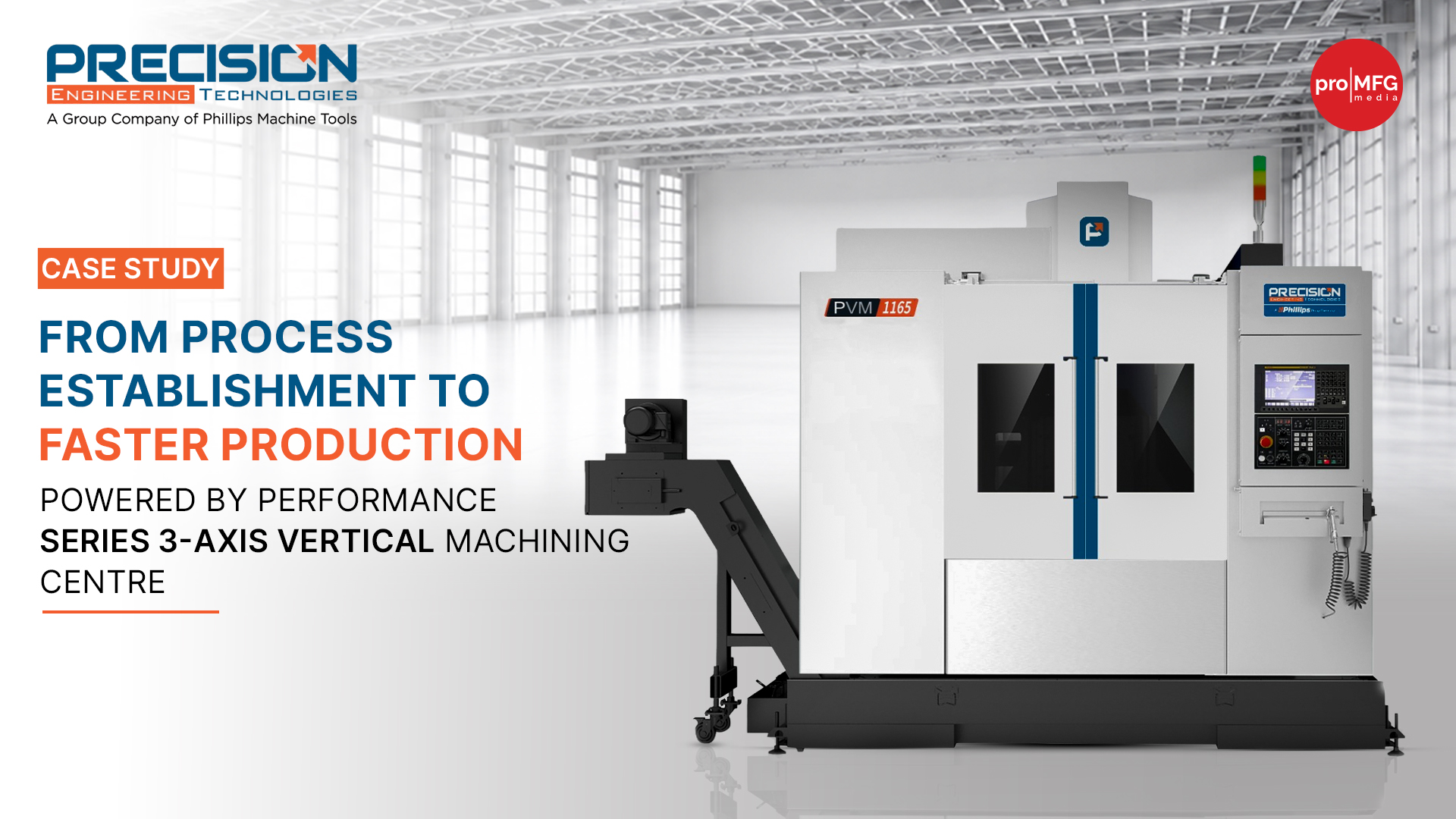
A two-wheeler automotive component manufacturer needed a stable production process for a crank case LH component. PETECH established OP-10 and OP-20 machining on the PVM1165 3-axis vertical machining center, targeting a 16-minute cycle from an as-cast input with repeatable hydraulic workholding.
The Challenge - Reduce cycle time while establishing a production-ready process
The component required a dependable machining sequence for both OP-10 and OP-20. The customer needed more than machine capacity: the complete method had to be engineered around tool selection, cutting parameters, fixture accessibility, chip evacuation, and repeatable part location. The objective was to achieve the specified cycle time without sacrificing dimensional consistency or production reliability.
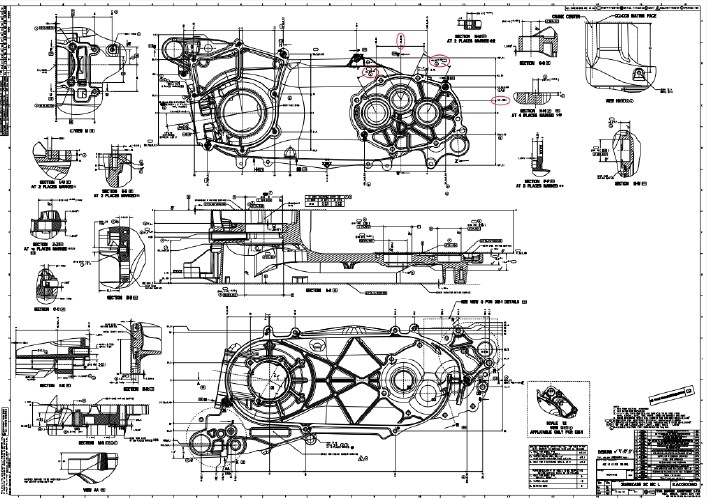
The application therefore focused on balancing rapid non-cutting movements with controlled cutting conditions, while ensuring that the hydraulic fixture supported the component securely through both operations .
The Solution - Engineered by PETECH Experts
PETECH's application engineering team developed a complete process around the PVM1165. The solution combined operation-wise process planning, hydraulic workholding, optimized tool paths, high-speed spindle capability, and higher rapid feed performance to reduce non-cutting time and establish a repeatable production method.
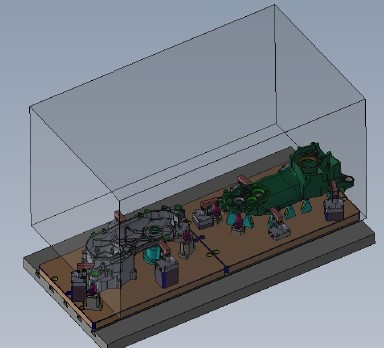
Instead of supplying only a machine, the team engineered the fixture concept, clamping sequence, tool strategy, and machining parameters as one integrated solution for the two-wheeler crank case application.
The Results

Before and After
Application Details
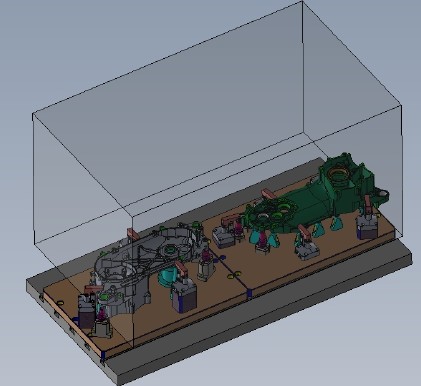
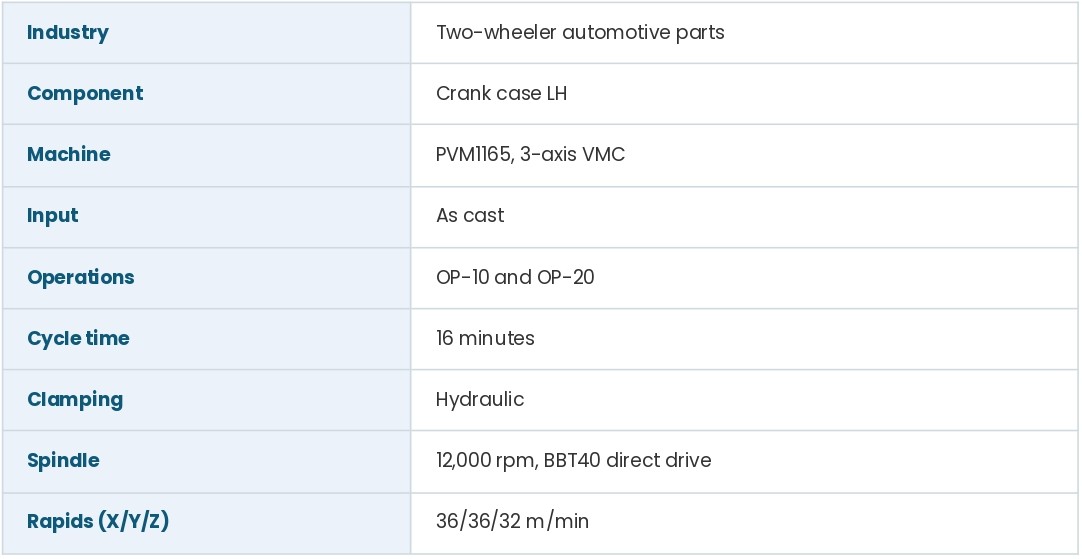
The machining process starts from an as-cast crank case LH component. OP-10 and OP-20 are completed using a dedicated hydraulic fixture and an engineered machining sequence. The established total cycle time is 16 minutes, with rapid axis movements and the 12,000 rpm spindle used to minimize non-cutting and cutting time where the operation permits.
Why PVM1165 3-Axis Machine?
The PVM1165 provided the right combination of work envelope, speed, rigidity, and process flexibility for this automotive application. Its standard 12,000 rpm direct-drive spindle and higher rapid traverse rates help shorten cycle time, while the rigid structural design and roller guideways support machining stability and repeatability.
High-Speed 12,000 rpm Spindle - The standard BBT40 direct-drive spindle reaches 12,000 rpm. This supports efficient milling, drilling, and finishing, and enables the process engineer to select higher cutting speeds where the tool, material, and operation allow.
Higher Rapid Traverse - Rapid traverse rates of 36/36/32 m/min in X/Y/Z reduce time spent moving between machining features. For a multi-feature crank case, shorter positioning moves contribute directly to overall cycle-time reduction.
Generous 3-Axis Working Range - Travels of 1100 x 650 x 600 mm and a 1200 x 600 mm table provide the space required for the component and dedicated hydraulic fixture, while retaining accessibility for OP-10 and OP-20 machining
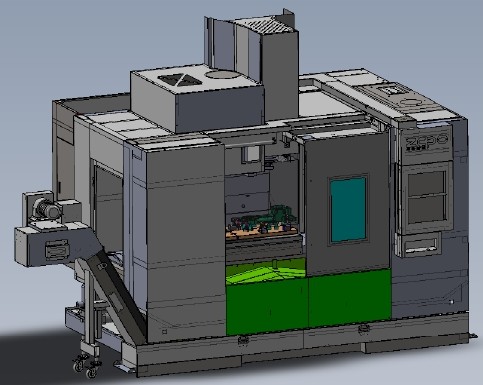
Rigid, High-Precision Structure - The triangular bed-and-saddle structure and pyramid column concept strengthen load-bearing areas. Roller guideways and the optimized headstock design improve movement response while supporting precision and machining stability.
Hydraulic Workholding - The dedicated hydraulic clamping arrangement provides secure and repeatable component location. Consistent clamping reduces loading variation, supports stable cutting, and makes the established process suitable for production use.
Reliable Tool Management - A standard 24-tool automatic tool changer, 2.5-second tool-to-tool change time, and fully enclosed ATC cover support efficient tool sequencing and help prevent chip ingress into the magazine.
Thermal and Chip-Control Features - A spindle oil chiller, coolant delivery, chip flushing, and the enclosed splash guard support thermal stability, machine cleanliness, and consistent operation over repeated production cycles.
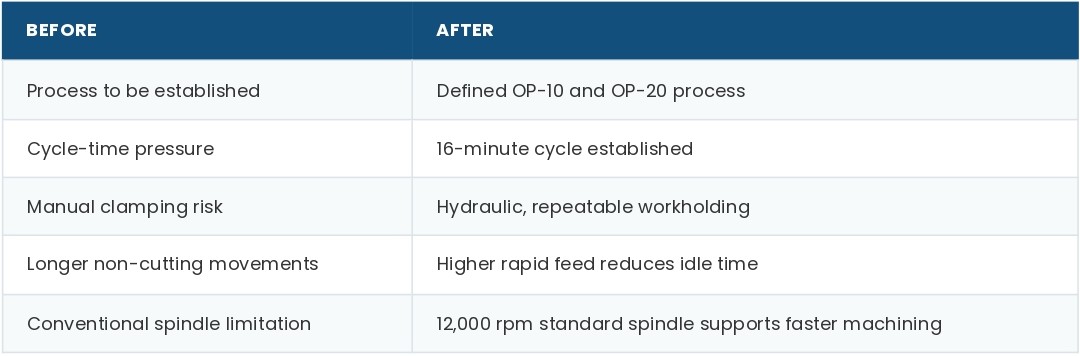
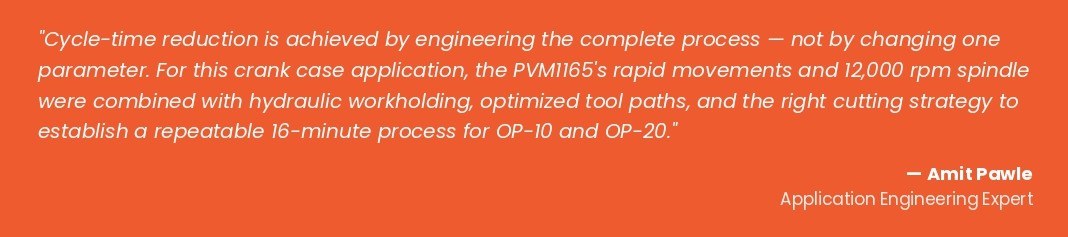
Manufacturing Efficiency - The combination of higher rapid feed, a 12,000 rpm spindle, engineered tool paths, and hydraulic workholding enabled PETECH to establish both operations at a 16-minute cycle. The result is a practical, repeatable process designed for the demands of two-wheeler automotive component manufacturing.
Expert Spotlight
Conclusion
This project demonstrates how PVM1165 3-axis technology and PETECH's application engineering expertise can solve a demanding cycle-time and process-establishment challenge for a two-wheeler automotive component manufacturer.
By combining a standard 12,000 rpm spindle, higher rapid feed performance, rigid machine construction, hydraulic workholding, and an optimized machining strategy, PETECH established OP-10 and OP-20 for the crank case LH component at a 16-minute cycle. The result is a stable, repeatable, and production-ready manufacturing process.
Machine & Application Snapshot

NEWSLETTER
TRENDING ON PRO MFG


MORE FROM THE SECTION

_17_09_2026.jpg)