Varhad Capital and Velocys Partner for Biomass-to-SAF Projects
#MakeInIndia #Biofuels #GreenEnergy #RenewableFuels #Decarbonization #SAF #AviationInnovation #SustainableAviation #Velocys #VarhadCapital #AgriWaste"This collaboration is about combining two commercially proven technologies in a market where we can streamline biomass-to-fuels production with a technically robust, commercially competitive offering." - Sachin Joshi, Chief Commercial Officer - Velocys
April 2026 : India’s push for sustainable skies just received a significant technological boost. Varhad Capital, a homegrown biofuel and Carbon Dioxide Removal (CDR) developer, has signed a Memorandum of Understanding (MoU) with global sustainable fuel innovator Velocys to develop cost-competitive, "Make-In-India" Sustainable Aviation Fuel (SAF).
The collaboration aims to solve one of the biggest hurdles in the green energy transition: producing SAF at a scale and price point that can compete with traditional jet fuel. By leveraging India’s vast reserves of agricultural residues, the partnership seeks to turn farming waste into high-value aviation energy.
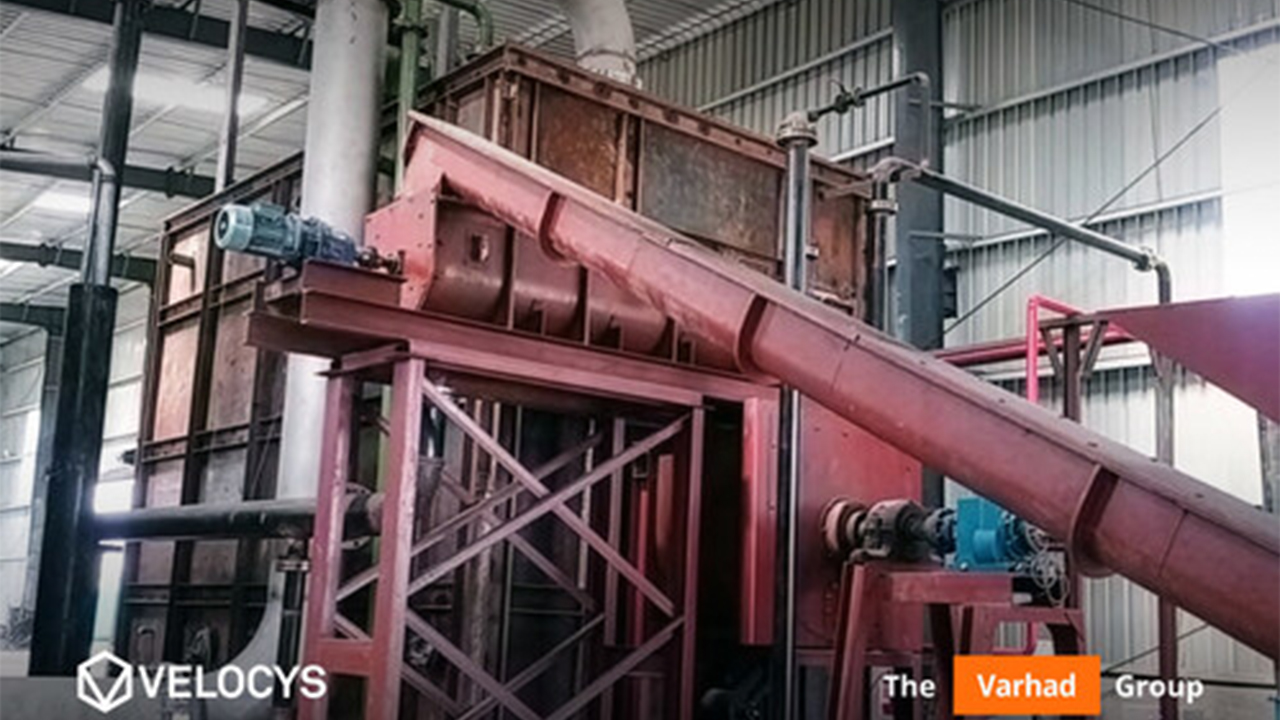
The project isn’t starting from scratch. It builds on Varhad’s existing, operational gasification platform - which already converts agricultural waste into syngas and biochar - and integrates it with Velocys’ world-class Fischer-Tropsch (FT) technology. This "hub-and-spoke" model is designed to be modular and scalable, providing a direct, efficient pathway from the field to the cockpit.
Prasad Dahapute, Founder and Managing Director of Varhad, highlighted the speed of the initiative: "With an operating gasification platform already in place, we are moving quickly. Working with Velocys allows us to translate that capability into fuel production through a proven technology that is aligned with favorable market economics."
For Velocys, the Indian market offers a unique intersection of abundant feedstock and rapidly growing aviation demand. Sachin Joshi, Chief Commercial Officer at Velocys, noted the practical nature of the partnership: "This collaboration is about combining two commercially proven technologies in a market where we can streamline biomass-to-fuels production with a technically robust, commercially competitive offering."
As the aviation industry faces mounting pressure to decarbonize, this "Make-In-India" initiative represents more than just a business deal; it is a blueprint for how indigenous resources and global technology can unite to fuel a cleaner, more sustainable future for global travel.

NEWSLETTER
TRENDING ON PRO MFG



MORE FROM THE SECTION