CAAR and BIT Partner to Accelerate Automotive Innovation
#DigitalTwin #IITMadras #ElectricVehicles #AutonomousDriving #FutureOfMobility #AutomotiveInnovation #CAAR #MobilityTech #IndustryAcademia #BITCAAR and BIT join forces to transform academic research into market-ready automotive intelligence and sustainable mobility technologies.
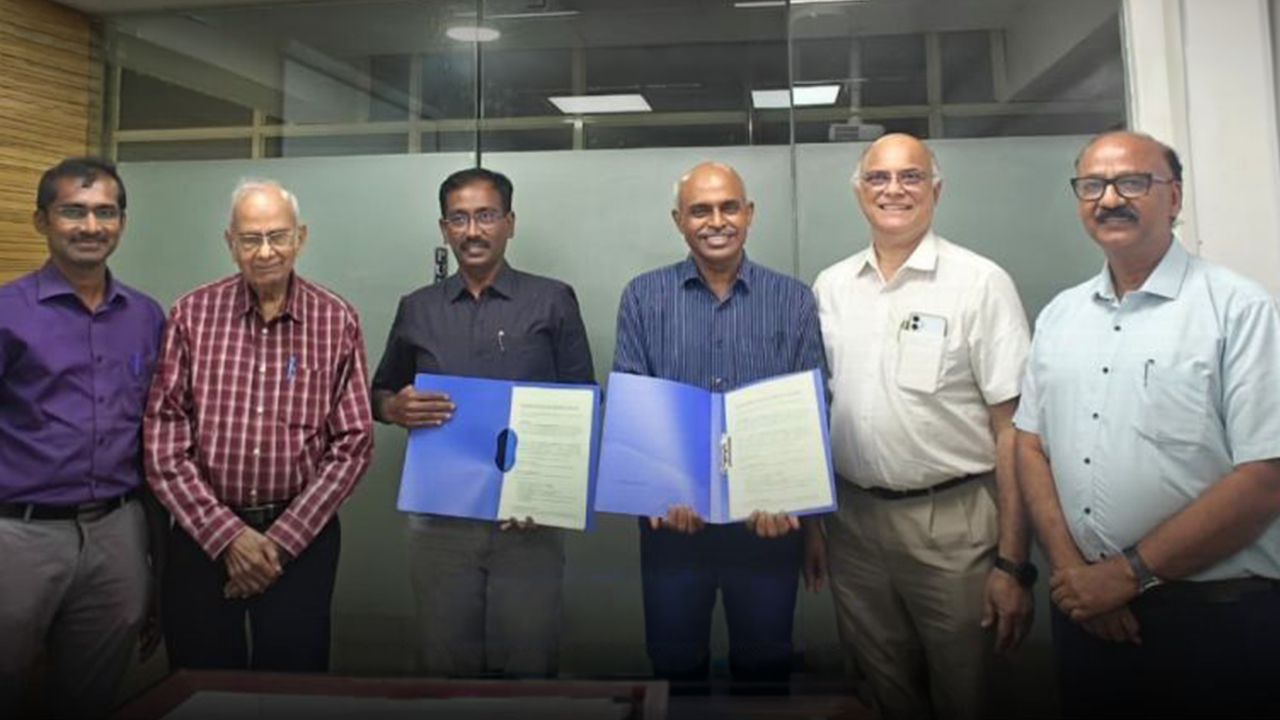
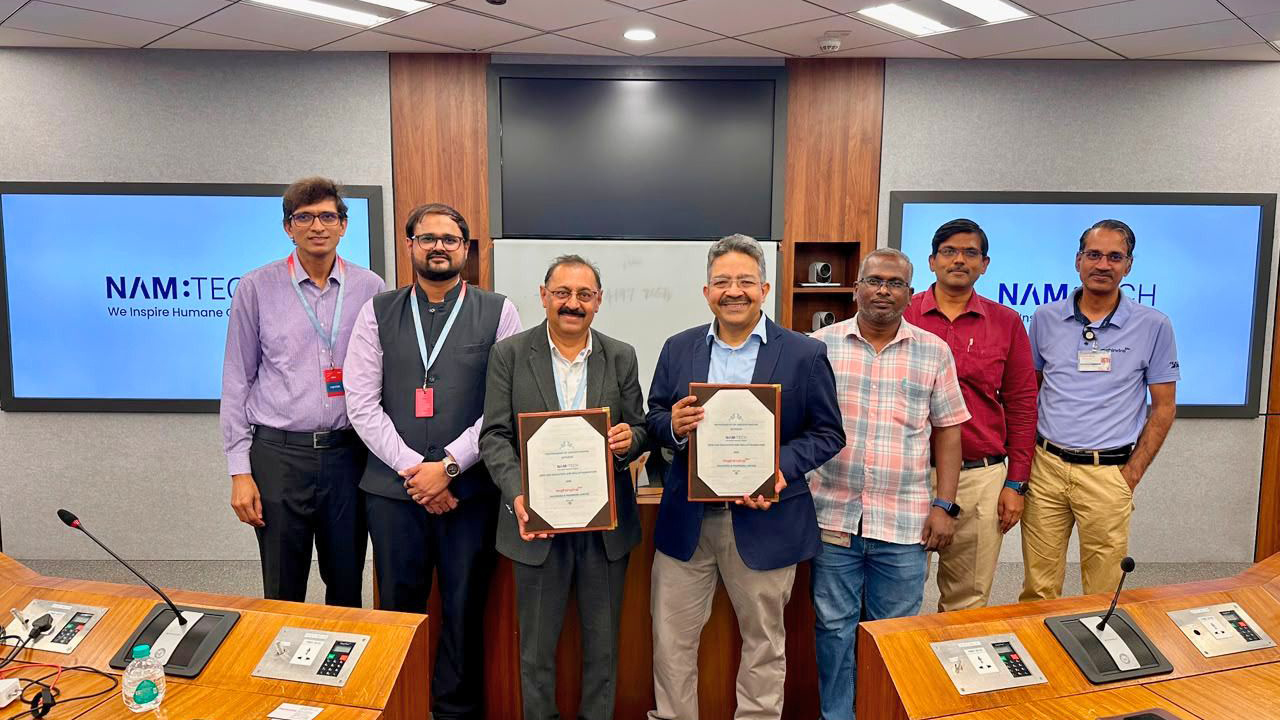
February 2026 : In a significant move to bridge the gap between academic research and industrial application, the Centre of Excellence in Advanced Automotive Research (CAAR) has officially inked a Memorandum of Understanding (MoU) with the Bannari Amman Institute of Technology (BIT), Sathiyamangalam. This strategic partnership is set to transform the landscape of mobility technologies in Tamil Nadu and beyond.
CAAR, an Independent Translational Research Society founded by the Indian Institute of Technology, Madras (IIT-M), operates with a clear mission: to transform concepts across different Technology Readiness Levels (TRL). By advancing research to TRL 8–9, CAAR ensures that high-potential academic talent results in product-ready technologies that the industry can readily adopt.
The collaboration with BIT reinforces CAAR’s pursuit of building a robust network of premier institutions. The partnership aims to "foster collaborative innovation in automotive and mobility technologies," leveraging BIT’s talent pool to address the complex challenges of modern transportation.
The scope of this MoU is remarkably broad, covering the entire spectrum of the "Software-Defined Vehicle" and beyond. Key areas of focus include:
- Intelligence & Autonomy: Autonomous vehicles, ADAS, and AI-based systems.
- Digital Engineering: Digital Twin development, IoT, and remote diagnostics.
- Hardware & Mechatronics: Vehicle dynamics, controller design, and robotic automation.
- Next-Gen Science: Research in nanostructured polymer composites and advanced materials for sustainable mobility.
This synergy allows for a "lab-to-road" pipeline where students and researchers work on real-world industrial simulations and automated validation processes.
The ultimate goal is clear: to enable joint research and industry–academia engagement that results in tangible, new-generation automotive technologies. As the industry pivots toward electrification and intelligence, this partnership stands as a beacon for how institutional collaboration can drive national innovation.

NEWSLETTER
TRENDING ON PRO MFG



MORE FROM THE SECTION