From Boardroom to Shop Floor: Redefining the Industrial Digital Roadmap
#DigitalTransformation #RockwellAutomation #ProMFGMedia #SmartManufacturing #Operationalexcellence #TechMahindra #AutomotiveManufacturing #CXORoundtable #Industry40 #CloudMES
July 2026 : The modern shop floor is no longer just a place of sparks, steel, and heavy machinery. It has fast become an ecosystem governed by data. Yet, as industrial organizations push deeper into Industry 4.0, a fundamental challenge remains: how do you translate massive volumes of machine data into actual business value?
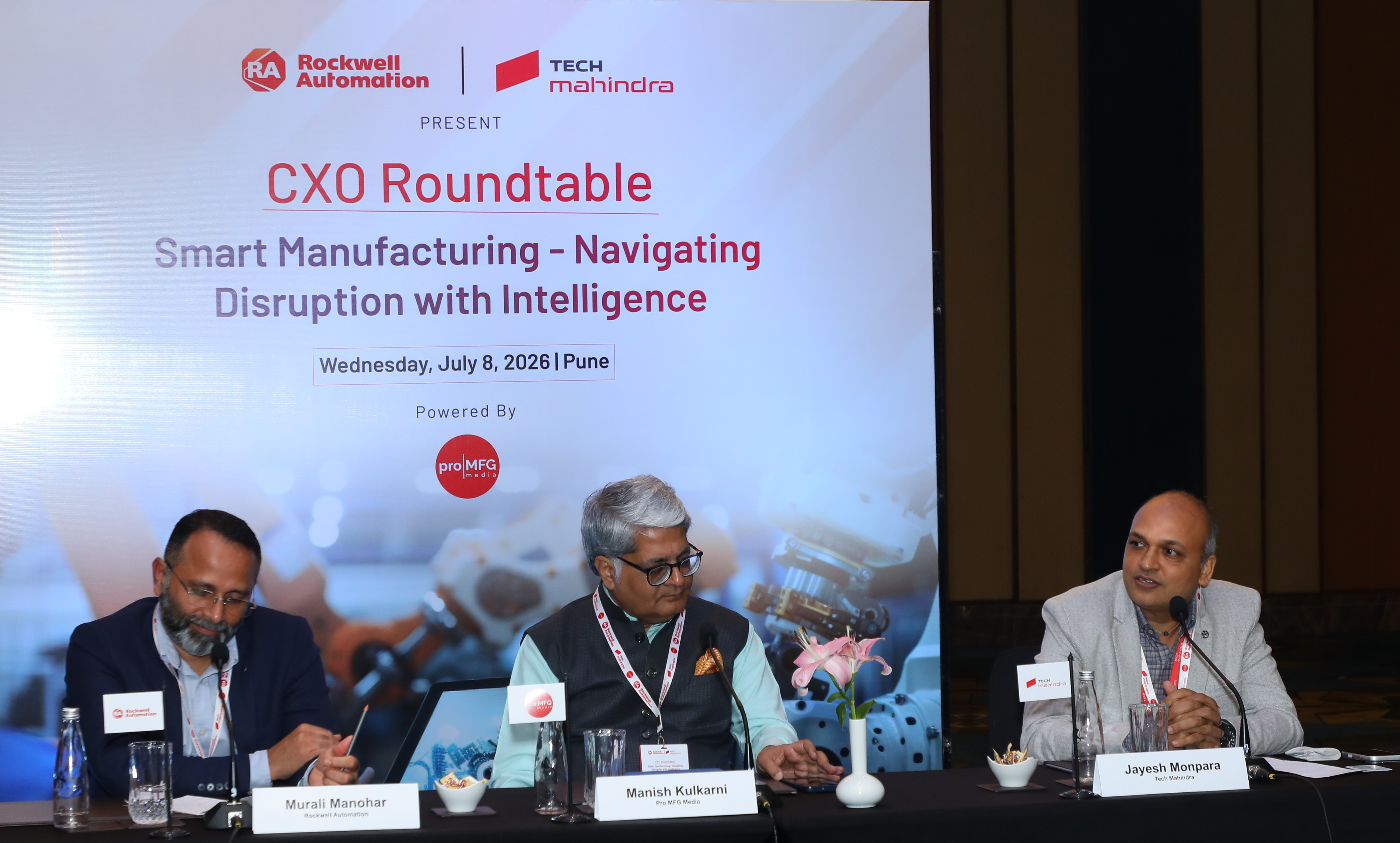
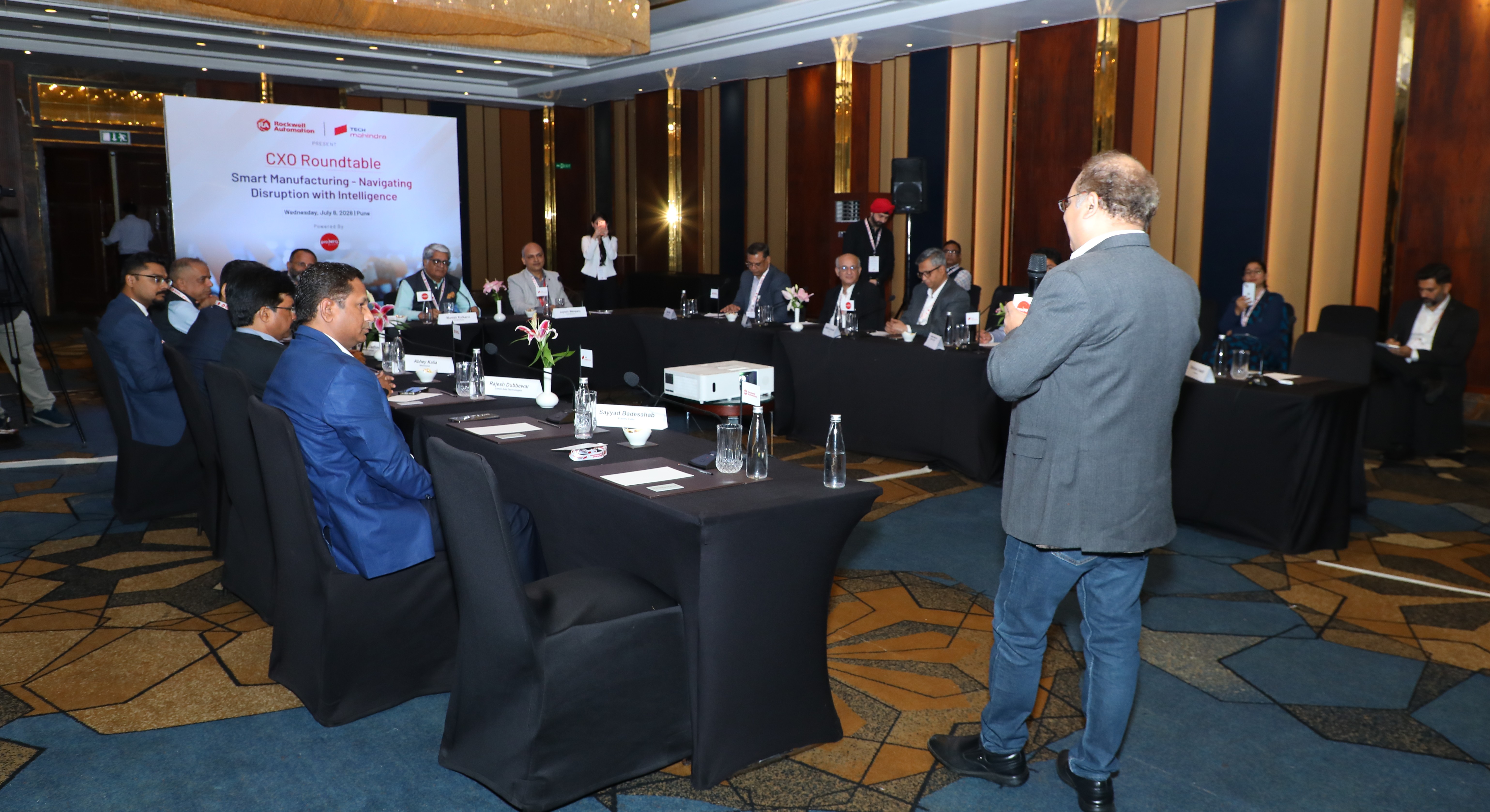
To answer this, an exclusive, closed-door CXO Roundtable was recently hosted in Pune titled "Smart Manufacturing - Navigating Disruption with Intelligence," presented by Rockwell Automation and Tech Mahindra, powered by Pro MFG Media. The elite gathering brought together senior manufacturing leaders from the automotive and heavy engineering sectors to move past the marketing hype and discuss the raw, practical realities of scaling digital transformation on the ground.
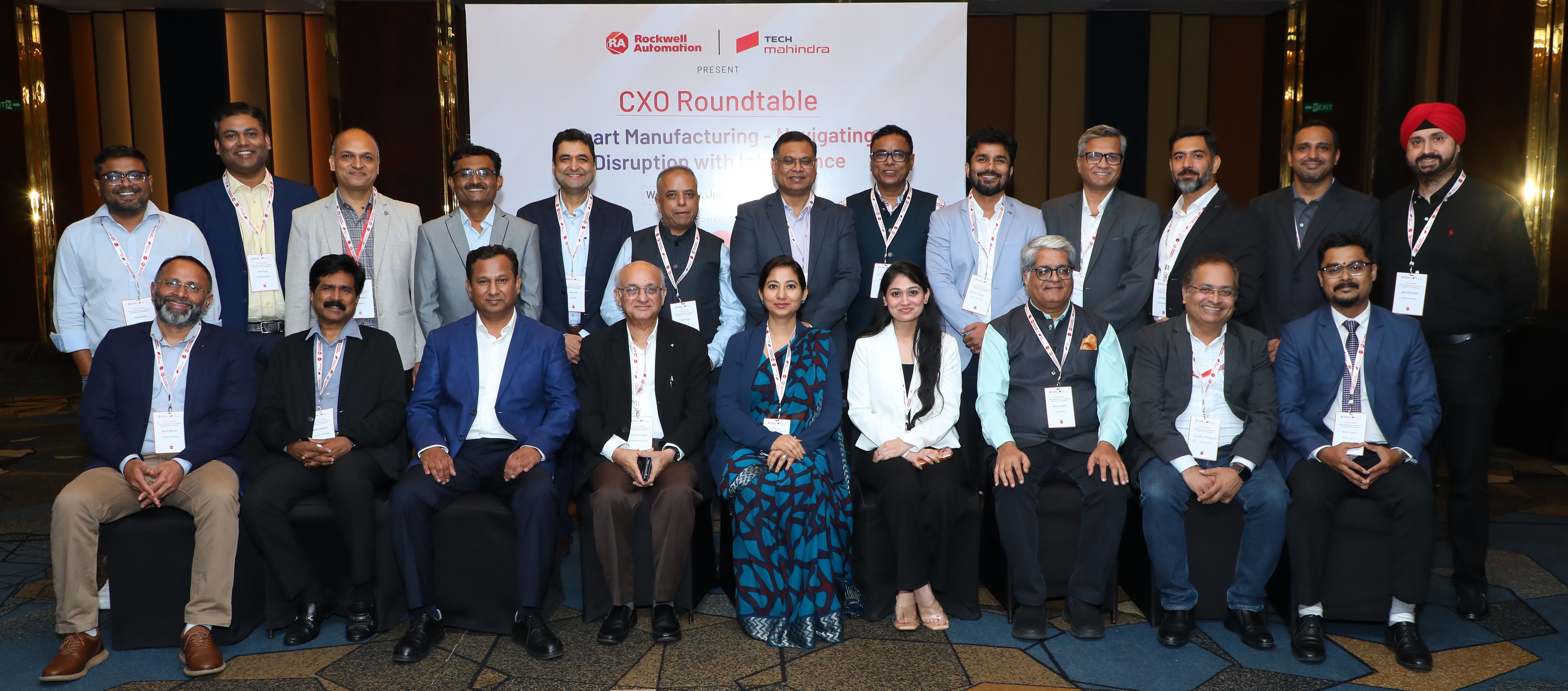
The roundtable featured prominent automotive manufacturing ecosystem thought-leaders, including Abhey Kalia from Rheinmetall, Bhushan Badgujar from Advik Hi-Tech Pvt Ltd, Chandrakant Dange from ZF Steering Gear (India) Ltd., and Dushyant Habbu from VDL Pinnacle Engineering India. Additionally, the forum benefited from the on-ground insights of Mitesh Jadhav from Mahindra Accelo, Rajeev Mittal from Endurance Technologies, Rajesh Dubbewar from Lumax Auto Technologies, Shekhar Suryavanshi from SKF India Ltd., Sayyad Badesahab from Autoliv India, and Yogesh Zope from Bharat Forge. The session was anchored by Manish Kulkarni from Pro MFG Media, who served as the moderator for the discussion. He was joined by Jayesh Monpara representing Tech Mahindra and Murali Manohar from Rockwell Automation.
The evening kicked off with a core question that plagues many executive boards: aligning digital roadmaps with overarching business strategies to achieve resilience and long-term growth. Industry leaders emphasized that technology shouldn't be deployed for technology’s sake. Whether the goal is expanding into new markets or safeguarding supply chains against global shocks, every digital investment must directly anchor to a larger business outcome.
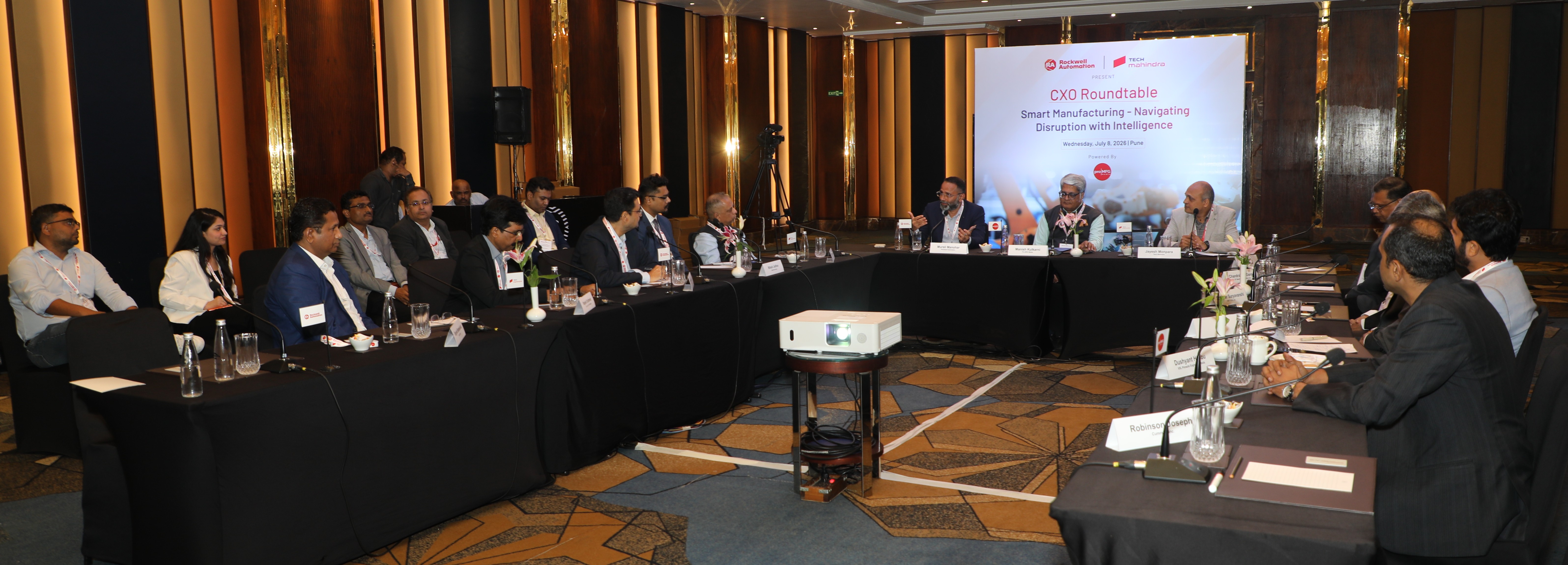
A major point of friction discussed was the stubborn integration gap between legacy ERP systems and shop floor machinery. Leaders deliberated on how fixing machine data connectivity and enabling real-time order dispatching can instantly optimize throughput, eliminate manual logging errors, and reduce scrap.
This is precisely where the Manufacturing Execution System (MES) acts as a catalyst. The discussion explored how a unified MES acts as the operational backbone, turning disconnected data points into actionable insights. The leaders also shared candid reflections on the grueling "technology adoption phase," detailing the cultural actions, training timelines, and milestones required to push past internal resistance and drive 100% user adoption across plants and departments.
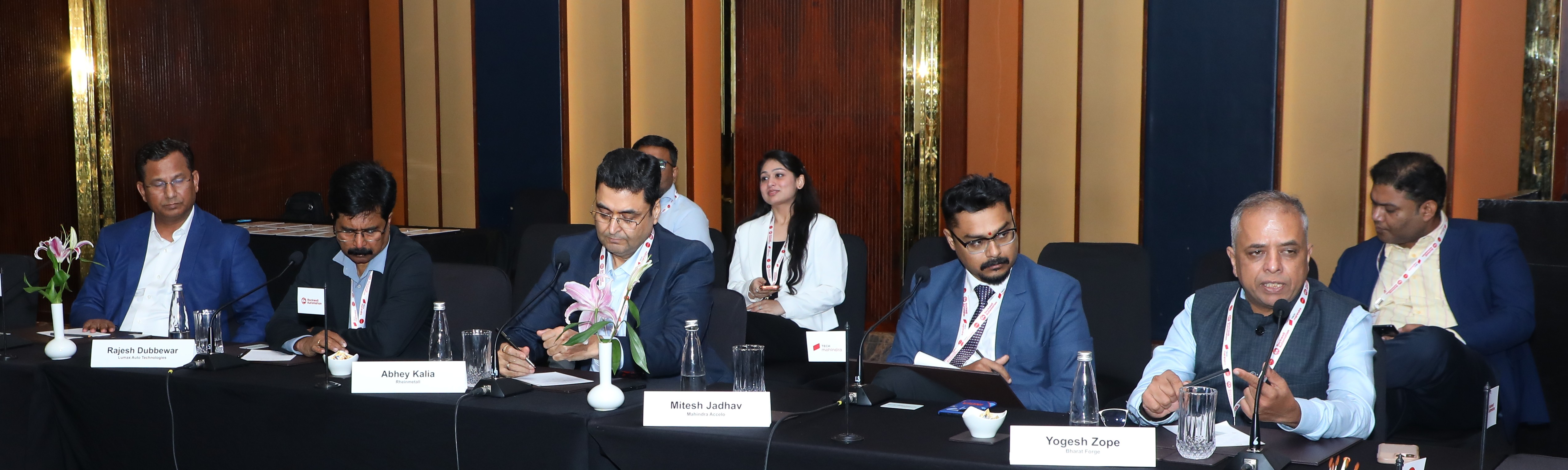
Leaders weighed the tangible benefits of cloud deployments, such as seamless multi-site rollouts and rapid scalability, against pressing operational realities like cybersecurity and localized network readiness.
Amidst the talk of cloud architecture and automated workflows, the conversation pivotally returned to the human element. Crucial insights were raised regarding the industrial talent crunch. In an era marked by rotating workforce models and high operator attrition, how do companies retain institutional knowledge? The leaders discussed the urgent need to standardize best practices, digitize standard operating procedures, and leverage intuitive systems to radically slash training time for new operators.
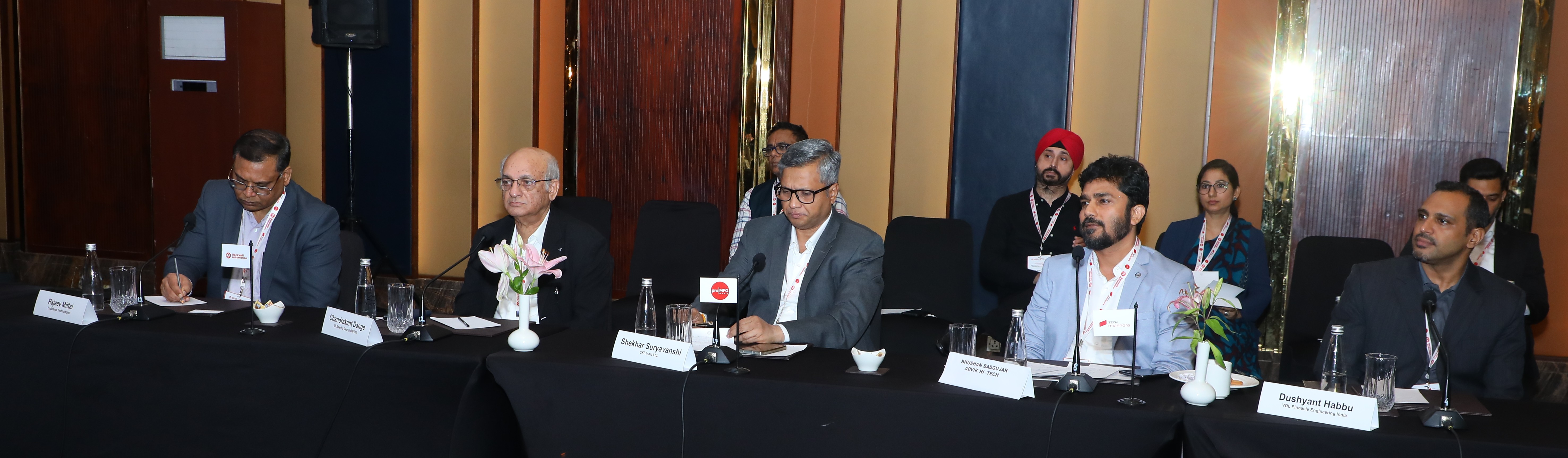
As the roundtable drew to a close, the focus shifted toward the next two to three years. When asked to name the single must-have capability to remain globally competitive, answers converged on hyper-agility: implementing autonomous scheduling, establishing closed-loop quality systems, and achieving true, real-time visibility into production costs.
Navigating disruption requires more than just surviving; it requires steering through the noise with data-driven intelligence. By breaking down organizational silos - from the top-tier ERP down to the individual machine sensor - the manufacturing sector is proving that the future of smart manufacturing is collaborative, cloud-enabled, and deeply human.

NEWSLETTER
TRENDING ON PRO MFG

MORE FROM THE SECTION