Adani Commissions World-First 1,000 MW Clean Energy Link
#Infrastructure #RenewableEnergy #AdaniEnergy #HVDC #CleanEnergyIndia #EnergySecurity #SmartGrid #MumbaiPower #MumbaiNews #SustainableCity“The project enhances grid stability, decongests existing networks and strengthens the city’s energy security. This marks a significant step towards a cleaner, more resilient energy future for Mumbai.” - Kandarp Patel, CEO - Adani Energy Solutions Ltd.
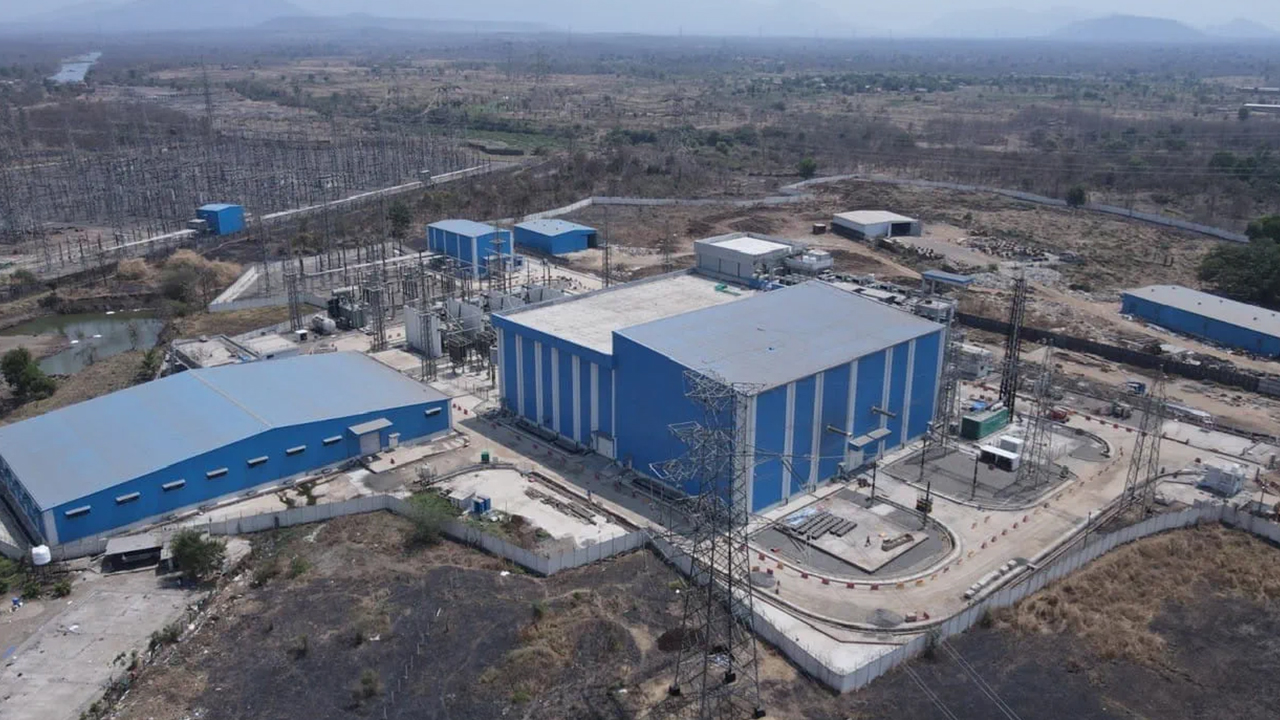
April 2026 : Mumbai is a city that never sleeps, but it is also a city that cannot afford to go dark. In a landmark move to fortify the financial capital’s energy spine, Adani Energy Solutions Limited (AESL) has officially commissioned a 1,000 megawatt (MW) high-voltage direct current (HVDC) transmission link. Stretching from Kudus to Aarey, this "green corridor" is designed to flood the Mumbai Metropolitan Region (MMR) with clean, renewable power from the national grid.
The project is a direct response to the lessons learned from the 2020 blackout that brought the city to a standstill. By creating a sophisticated 80-km bypass - consisting of a 30-km overhead line and a 50-km underground corridor - Adani has managed to thread a massive power artery through one of the most densely populated urban landscapes on Earth. Remarkably, the project also features the world’s first compact HVDC substation, a feat of engineering necessitated by Mumbai’s notorious lack of space.
At the heart of this upgrade is Voltage Source Converter (VSC) technology. Unlike traditional systems, VSC allows for lightning-fast control over power flows and provides "black-start" capabilities, meaning the grid can reboot itself independently after an outage. For Mumbaikars, this translates to a future with fewer flickers and a significantly lower risk of large-scale grid failure.
Kandarp Patel, CEO of Adani Energy Solutions Ltd., highlighted the speed and scale of the achievement, stating: “With the commissioning of the Aarey-Kudus transmission line, Mumbai now has a modern power corridor capable of integrating large-scale renewable energy with high reliability. It is one of the fastest HVDC projects ever commissioned which is powered by advanced VSC-based HVDC technology. The project enhances grid stability, decongests existing networks and strengthens the city’s energy security. This marks a significant step towards a cleaner, more resilient energy future for Mumbai.”
As Mumbai continues to grow vertically and economically, this link ensures that its thirst for energy is met not by aging in-city plants, but by the winds and sun of the wider Indian landscape.

NEWSLETTER
TRENDING ON PRO MFG

MORE FROM THE SECTION